
 by
by Imagine putting on a special pair of goggles that takes you to a peaceful beach where you can hear the waves crashing gently on the sand, or maybe to a quiet forest where butterflies float through the air around you. That’s exactly what Thera VR does for people who are sick, hurt, or feeling worried. Thera VR is a special type of virtual reality technology that doctors and nurses use in hospitals and clinics to help patients feel better. Instead of just giving people medicine all the time, Thera VR lets them escape to calm, beautiful places that help their minds and bodies heal. This wonderful technology is becoming more popular every single day because it really works, and it doesn’t have the side effects that some medicines can have. When we talk about Thera VR, we’re talking about a whole new way of thinking about how to help people feel comfortable and safe when they’re going through difficult medical treatments or dealing with pain that won’t go away.
How Does Thera VR Actually Work?
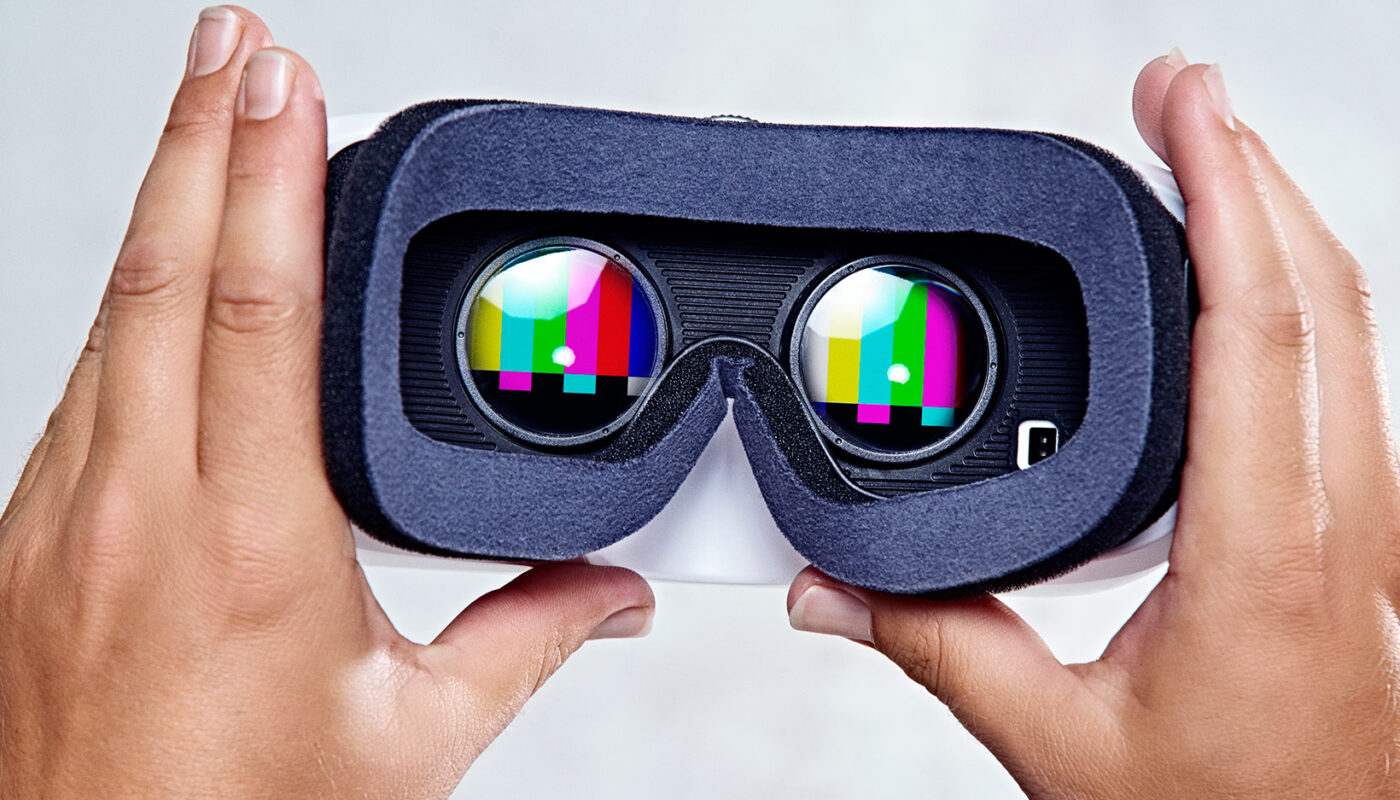
Thera VR works by using something called a VR headset, which looks like a big pair of goggles that you wear over your eyes. When you put on the headset, you can’t see the hospital room or doctor’s office anymore because the screens inside show you a completely different world. The headset also has headphones that let you hear peaceful sounds like ocean waves, gentle music, or birds singing in the trees. Your brain is very smart, and when it sees and hears all these calm and beautiful things, it starts to pay attention to them instead of paying attention to pain or worry. Scientists call this “distraction therapy,” which is a fancy way of saying that your brain gets so interested in the virtual world that it forgets to think about the things that are bothering you. Thera VR programs are specially designed by doctors and technology experts who understand how our brains work and what kinds of scenes and activities help people relax the most. The experiences inside Thera VR can last anywhere from a few minutes to half an hour, and patients can use them as many times as they need to throughout their treatment.
The Amazing Science Behind Thera VR
The reason Thera VR works so well has everything to do with how our brains process information and feelings. When you’re in pain or feeling anxious, your brain sends signals throughout your body that make you feel uncomfortable and scared. But here’s the really cool part: your brain can only focus on a limited number of things at one time. When you put on a Thera VR headset and enter a beautiful, engaging virtual world, your brain has to work hard to process all the new sights, sounds, and experiences. This means it has less energy and attention left over to process pain signals or worried thoughts. Research studies have shown that people using Thera VR can experience significant reductions in their pain levels, sometimes by as much as half or even more. This happens because the virtual reality experience triggers the release of natural chemicals in your brain called endorphins, which are your body’s own pain relievers. Additionally, when people feel calmer and less stressed, their muscles relax, their breathing slows down, and their heart rate becomes more regular, which all contribute to feeling better overall.
Who Can Benefit From Using Thera VR?
Thera VR helps so many different types of people in so many different situations that it’s almost hard to list them all. People who are in the hospital recovering from surgery often use Thera VR to help manage their pain and make the boring hospital stay more pleasant and relaxing. Children who are afraid of getting shots or having blood drawn can put on the headset and go on an adventure while the nurse does the procedure, making it much less scary for them. People who suffer from chronic pain, which means pain that lasts for months or even years, find that Thera VR gives them a break from constantly thinking about their discomfort. Patients going through cancer treatments like chemotherapy use Thera VR to distract themselves during the long treatment sessions and to help with the nausea and anxiety that often come with these powerful medicines. People with anxiety disorders or those who get panic attacks find that the calming environments in Thera VR help them learn to relax and control their breathing. Even elderly people in nursing homes use Thera VR to visit places they remember from their youth or to experience things they’ve always wanted to see but never got the chance to visit in person.
Real Stories of How Thera VR Changes Lives
Let me tell you about some real ways that Thera VR has helped actual people feel better. There was a woman named Sarah who had terrible back pain for many years and had tried every medicine her doctor could think of, but nothing seemed to work very well. When her doctor suggested trying Thera VR, she was skeptical at first, but she decided to give it a try. During her first session, she chose a peaceful garden experience where she could walk through flower-covered paths and listen to gentle fountains. For the first time in years, Sarah felt her muscles truly relax, and her pain decreased enough that she could enjoy the rest of her day without constantly thinking about her back. Then there’s the story of little Tommy, a seven-year-old boy who needed to get regular blood tests because of a health condition. Tommy was so afraid of needles that he would cry and shake every time he had to go to the doctor, which made it very hard for the nurses to do their job. Once the hospital started using Thera VR, Tommy could put on the headset and go swimming with dolphins while the nurse drew his blood. He was so focused on the amazing underwater world that he barely noticed the needle, and now he actually looks forward to his appointments because he knows he gets to use the VR headset.
The Different Types of Experiences in Thera VR
Thera VR offers many different kinds of virtual experiences because different people find different things relaxing and helpful. Some people love nature scenes, where they can sit by a campfire under the stars, walk through a peaceful forest, or float down a lazy river on a raft. Other people prefer more active experiences, like playing gentle games, painting beautiful pictures in three-dimensional space, or exploring interesting places like museums or historical landmarks. There are guided meditation experiences where a calm voice helps you breathe slowly and think peaceful thoughts while you’re surrounded by tranquil scenes. Some Thera VR programs include biofeedback, which means the program can tell how fast your heart is beating or how tense your muscles are, and it adjusts the experience to help you become even more relaxed. For people with specific fears or phobias, there are gradual exposure programs that help them slowly get comfortable with things that scare them in a safe, controlled way. The variety of experiences means that almost everyone can find something in Thera VR that works perfectly for their needs and preferences, making it a very personalized form of therapy.
How Doctors and Hospitals Are Using Thera VR
More and more hospitals and medical centers around the world are adding Thera VR to their treatment options because they’ve seen how well it works for their patients. Emergency rooms use Thera VR to help people who come in with injuries feel more comfortable while they wait for treatment or during procedures like stitches or setting broken bones. Dentist offices have started offering Thera VR because many people feel very anxious about dental work, and the virtual reality helps them stay calm in the dentist’s chair. Physical therapy clinics use Thera VR to make rehabilitation exercises more fun and engaging, which encourages patients to do their exercises more regularly and helps them recover faster. Burn units in hospitals have found that Thera VR is especially helpful because burn patients often experience extreme pain during wound care, and the virtual reality provides powerful distraction during these difficult procedures. Mental health professionals are using Thera VR to help people with post-traumatic stress disorder, depression, and various anxiety conditions by providing them with peaceful environments and teaching them relaxation techniques in an immersive way. Some hospitals even use Thera VR to help train their doctors and nurses, letting them practice difficult procedures in virtual reality before they work with real patients.
The Benefits of Thera VR Compared to Traditional Pain Medicine
While pain medicine definitely has an important place in healthcare, Thera VR offers some special advantages that make it a valuable addition to treatment plans. Unlike pain medications, Thera VR has no side effects like drowsiness, nausea, or the risk of addiction that comes with some strong pain medicines. Patients can use Thera VR as often as they want throughout the day without worrying about taking too much or having dangerous interactions with other medicines they might be taking. Thera VR also works immediately, whereas some medicines take time to kick in, and the relief can last even after the VR session ends because it teaches your body and mind how to relax. Using Thera VR gives patients a sense of control over their own treatment, which is very empowering and can make them feel less helpless about their condition. The technology is also cost-effective in the long run because one VR headset can be used by many patients over and over again, potentially reducing the need for expensive medications. Additionally, because Thera VR helps patients feel better emotionally as well as physically, it can improve their overall quality of life and help them recover faster from illnesses or injuries.
What Makes Thera VR Different From Regular Video Games?
You might be wondering if Thera VR is just like playing video games, but there are some very important differences that make it special. Regular video games are designed to be exciting and challenging, with fast action and competitive elements that can actually increase your heart rate and make you feel more alert and energized. Thera VR, on the other hand, is specifically designed by medical professionals and psychologists to be calming, therapeutic, and healing. The colors, sounds, and experiences in Thera VR are all carefully chosen based on scientific research about what helps people relax and feel less pain. The pacing of Thera VR programs is much slower and more gentle than regular games, with no sudden scary moments or frustrating challenges that might make you feel stressed. While video games often require you to make quick decisions and have good hand-eye coordination, Thera VR experiences are designed to be easy for anyone to use, even people who have never used technology before or who have limited mobility. The goals of Thera VR are completely different too – instead of trying to win or beat a high score, the goal is simply to relax, feel better, and give your mind a peaceful place to rest.
The Future of Thera VR and Virtual Reality Healthcare
The future of Thera VR looks incredibly bright and exciting as technology continues to improve and more research shows how helpful it can be. Scientists and developers are working on making VR headsets smaller, lighter, and more comfortable to wear for longer periods of time. Future versions of Thera VR might include even more realistic graphics and sounds that make you feel like you’re truly in another place. Researchers are exploring ways to combine Thera VR with other treatments, like combining it with physical therapy exercises so patients can do their rehabilitation in fun virtual worlds instead of boring hospital gyms. Some experts believe that in the future, people might be able to use Thera VR at home, not just in hospitals, so they can manage their pain or anxiety whenever they need to without having to go to the doctor’s office. There’s also exciting research happening about using Thera VR to help with other conditions like autism, attention deficit disorder, and memory problems in older adults. As more insurance companies recognize the benefits of Thera VR, they may start covering it as a standard part of medical care, making it available to even more people who could benefit from this amazing technology.
How to Ask Your Doctor About Thera VR
If you or someone you love might benefit from Thera VR, it’s definitely worth talking to your doctor or healthcare provider about it. Start by explaining what you know about Thera VR and why you think it might be helpful for your specific situation, whether that’s managing pain, reducing anxiety, or making medical procedures less frightening. Ask your doctor if they have experience with virtual reality therapy or if they know of any hospitals or clinics in your area that offer Thera VR. If your current healthcare provider doesn’t know much about it, they might be willing to do some research or refer you to someone who specializes in innovative pain management or therapeutic technologies. You can also do your own research to find medical centers near you that use Thera VR by searching online or calling hospitals to ask about their pain management programs. When discussing Thera VR with your doctor, be sure to mention all the other treatments you’ve tried and explain what has or hasn’t worked for you so they can understand why you’re interested in trying something new. Remember that you are your own best advocate when it comes to your healthcare, and asking questions about new treatment options like Thera VR shows that you’re taking an active role in your own wellbeing. You can also read this: Understanding CTFLoader: A Simple Guide for Everyone
Conclusion: Why Thera VR Represents Hope for Better Healthcare
Thera VR represents something truly special in the world of medicine – a treatment that harnesses the natural power of our minds to help our bodies heal without relying solely on drugs or invasive procedures. This remarkable technology shows us that healthcare can be gentler, more personalized, and more humane while still being incredibly effective at relieving suffering and improving people’s lives. As more hospitals adopt Thera VR and more patients experience its benefits firsthand, we’re seeing a shift in how we think about treating pain, anxiety, and stress in medical settings. The beautiful thing about Thera VR is that it reminds us that healing isn’t just about fixing what’s wrong with our bodies – it’s also about caring for our minds and giving ourselves permission to escape, even if just for a few minutes, to a place where we feel safe, peaceful, and free from pain. Whether you’re a patient looking for relief, a healthcare provider seeking better tools to help your patients, or simply someone interested in the amazing ways technology can improve our lives, Thera VR offers a glimpse into a future where healthcare is more compassionate, more effective, and more accessible to everyone who needs it.